Medical News & Articles
Medical News & Articles
Essential Health Checks Every Man Should Consider
Thursday, June 4, 2026
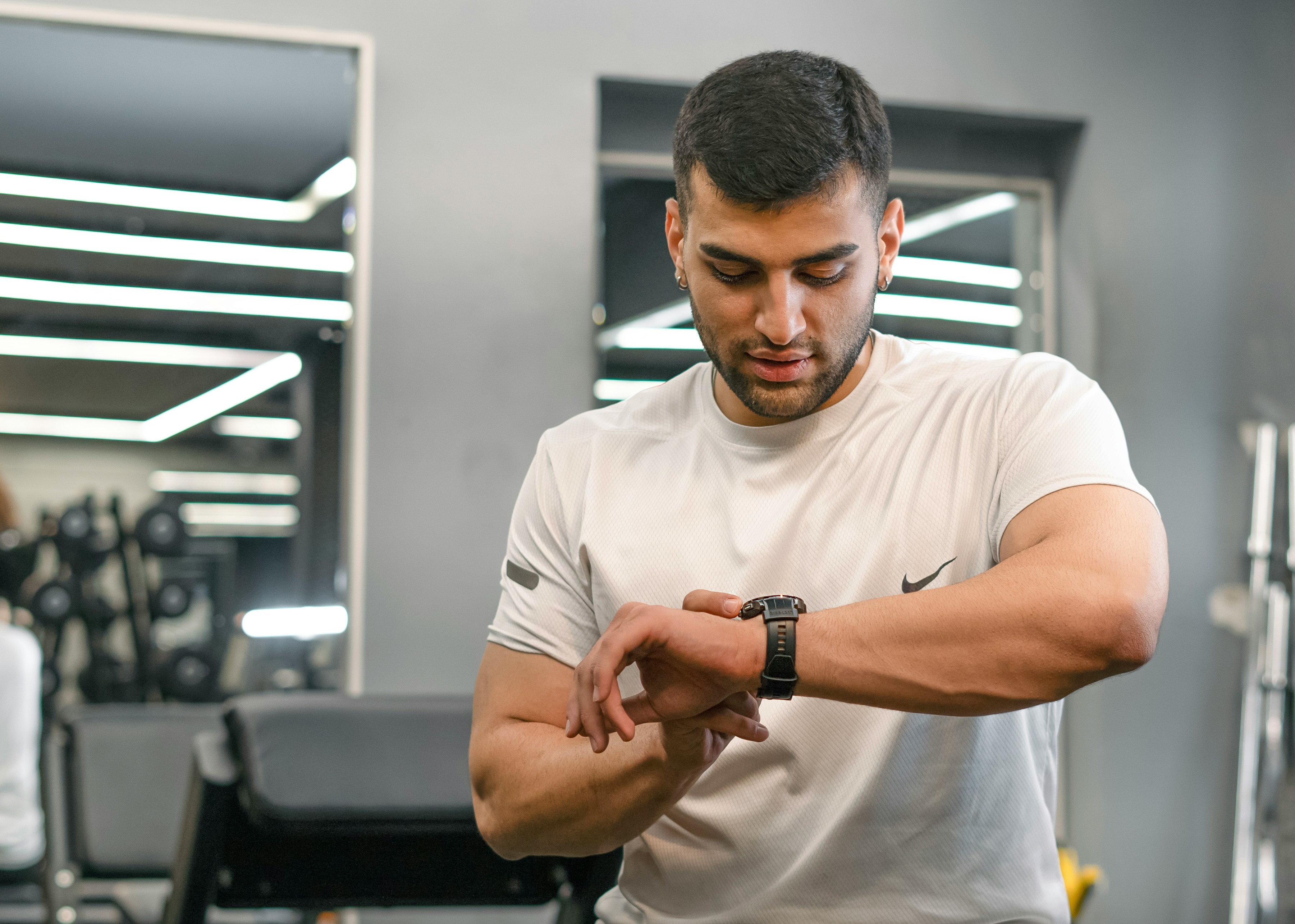
June is Men’s Health Month, a time to bring awareness and push for preventative efforts in the area of men’s health. This is important, as many men delay routine checkups, leading to more complex health concerns later on.
Preventive health screenings can catch problems early, though. They can lead to simpler solutions and can help you stay active as you manage work, family, and hobbies throughout different stages of life.
Here are some simple checks, screenings, and habits that should be on your “health checklist” as a man — and that you should review with your primary care physician (PCP) on a regular basis.
Core Checkups Every Man Needs
No matter who you are, where you live, or how old you are, every man should have certain preventive health screenings and similar checkups on their to-do list.
This starts with annual physical exams. This is a good chance to review blood pressure, track changes in weight and BMI, and attend to things like mental health and any symptoms worth discussing with your PCP.
It’s also a good idea to check your heart health. Every person is different, and there isn’t a hard and fast rule for intervals between things like cholesterol and blood sugar testing. But the CDC does recommend checking in every 4-6 years as a minimum window. If you have a family history, are overweight, or already have high blood pressure, it’s better to check more often at a frequency approved by your doctor.
Colorectal cancer screening is another preventive screening that comes later in life. (Usually starting around the age of 45, sometimes sooner.) Skin cancer is also a screening to consider. There isn’t a specific age here, as each individual and their experiences and history factor into the equation.
Prostate Health: When to Check and Symptoms to Look For
Every man should screen for prostate cancer, usually starting between the ages of 50 and 55. Again, family history is a big factor here. It’s wise to talk with your PCP about when to start prostate cancer screenings. Some providers will have you start checking as early as 45, depending on your risk.
It’s also wise to keep an eye out for symptoms associated with prostate health. For instance, make sure to tell your doctor about any urinary changes. A weak stream, getting up at night, blood in urine, and pelvic discomfort are common signs of benign prostatic hyperplasia (BPH or enlarged prostate). It’s important to note these symptoms early and get checked so health professionals can rule out issues like an infection or cancer.
It’s also important to support the prostate from early in life through healthy habits. Things like regular exercise, maintaining a healthy weight, limiting alcohol, and not smoking are helpful ways to protect prostate health (and support other areas, like your liver and heart, at the same time).
Everyday Metrics Men Can Track
Along with basic daily habits and preventive maintenance, there are certain things men can track on their own. There are many tools you can use to monitor “vital stats,” like:
Blood pressure
Resting heart rate
Weight/BMI
Waist size
Unless there is a specific concern, some of these only need to be checked once or twice a year, like blood pressure and waist size. Others, like resting heart rate and weight/BMI, could be observed more often, monthly or even weekly.
It’s also wise to ask about targeted tests based on your history. Depending on what you know about your family and personal history, you may want to get a diabetes screening, lung cancer screening, or something similar.
Keeping Men’s Health Front and Center
Men’s Health Month is a great time to make sure you’re getting in for annual checkups. It’s also a reminder to check which screenings make sense at your stage of life and circumstances.
Don’t let current health keep you from preventive maintenance. Being proactive today is the best way to preserve your health tomorrow. It can stop short-term issues from becoming chronic concerns and can ensure you have the best long-term quality of life possible.
June is Men’s Health Month, a time to bring awareness and push for preventative efforts in the area of men’s health. This is important, as many men delay routine checkups, leading to more complex health concerns later on.
Preventive health screenings can catch problems early, though. They can lead to simpler solutions and can help you stay active as you manage work, family, and hobbies throughout different stages of life.
Here are some simple checks, screenings, and habits that should be on your “health checklist” as a man — and that you should review with your primary care physician (PCP) on a regular basis.
Core Checkups Every Man Needs
No matter who you are, where you live, or how old you are, every man should have certain preventive health screenings and similar checkups on their to-do list.
This starts with annual physical exams. This is a good chance to review blood pressure, track changes in weight and BMI, and attend to things like mental health and any symptoms worth discussing with your PCP.
It’s also a good idea to check your heart health. Every person is different, and there isn’t a hard and fast rule for intervals between things like cholesterol and blood sugar testing. But the CDC does recommend checking in every 4-6 years as a minimum window. If you have a family history, are overweight, or already have high blood pressure, it’s better to check more often at a frequency approved by your doctor.
Colorectal cancer screening is another preventive screening that comes later in life. (Usually starting around the age of 45, sometimes sooner.) Skin cancer is also a screening to consider. There isn’t a specific age here, as each individual and their experiences and history factor into the equation.
Prostate Health: When to Check and Symptoms to Look For
Every man should screen for prostate cancer, usually starting between the ages of 50 and 55. Again, family history is a big factor here. It’s wise to talk with your PCP about when to start prostate cancer screenings. Some providers will have you start checking as early as 45, depending on your risk.
It’s also wise to keep an eye out for symptoms associated with prostate health. For instance, make sure to tell your doctor about any urinary changes. A weak stream, getting up at night, blood in urine, and pelvic discomfort are common signs of benign prostatic hyperplasia (BPH or enlarged prostate). It’s important to note these symptoms early and get checked so health professionals can rule out issues like an infection or cancer.
It’s also important to support the prostate from early in life through healthy habits. Things like regular exercise, maintaining a healthy weight, limiting alcohol, and not smoking are helpful ways to protect prostate health (and support other areas, like your liver and heart, at the same time).
Everyday Metrics Men Can Track
Along with basic daily habits and preventive maintenance, there are certain things men can track on their own. There are many tools you can use to monitor “vital stats,” like:
Blood pressure
Resting heart rate
Weight/BMI
Waist size
Unless there is a specific concern, some of these only need to be checked once or twice a year, like blood pressure and waist size. Others, like resting heart rate and weight/BMI, could be observed more often, monthly or even weekly.
It’s also wise to ask about targeted tests based on your history. Depending on what you know about your family and personal history, you may want to get a diabetes screening, lung cancer screening, or something similar.
Keeping Men’s Health Front and Center
Men’s Health Month is a great time to make sure you’re getting in for annual checkups. It’s also a reminder to check which screenings make sense at your stage of life and circumstances.
Don’t let current health keep you from preventive maintenance. Being proactive today is the best way to preserve your health tomorrow. It can stop short-term issues from becoming chronic concerns and can ensure you have the best long-term quality of life possible.
For more information or to schedule an appointment with one of our family medicine healthcare providers, please contact Abraham Family and Geriatric Medicine. Our office is located in Snellville, not far from Grayson, Dacula, and Lilburn.
For more information or to schedule an appointment with one of our family medicine healthcare providers, please contact Abraham Family and Geriatric Medicine. Our office is located in Snellville, not far from Grayson, Dacula, and Lilburn.
For more information or to schedule an appointment with one of our family medicine healthcare providers, please contact Abraham Family and Geriatric Medicine. Our office is located in Snellville, not far from Grayson, Dacula, and Lilburn.
Our News
Our News
Latest News & Articles


Thursday, October 1, 2026
Thursday, October 1, 2026

Tuesday, September 1, 2026
Tuesday, September 1, 2026

Saturday, August 1, 2026
Saturday, August 1, 2026
Thursday, October 1, 2026
Tuesday, September 1, 2026
Thursday, October 1, 2026
Tuesday, September 1, 2026