Medical News & Articles
Medical News & Articles
What Women Should Know: Preventive Screenings and Wellness in Your 20s, 30s, 40s and Beyond
Tuesday, May 5, 2026
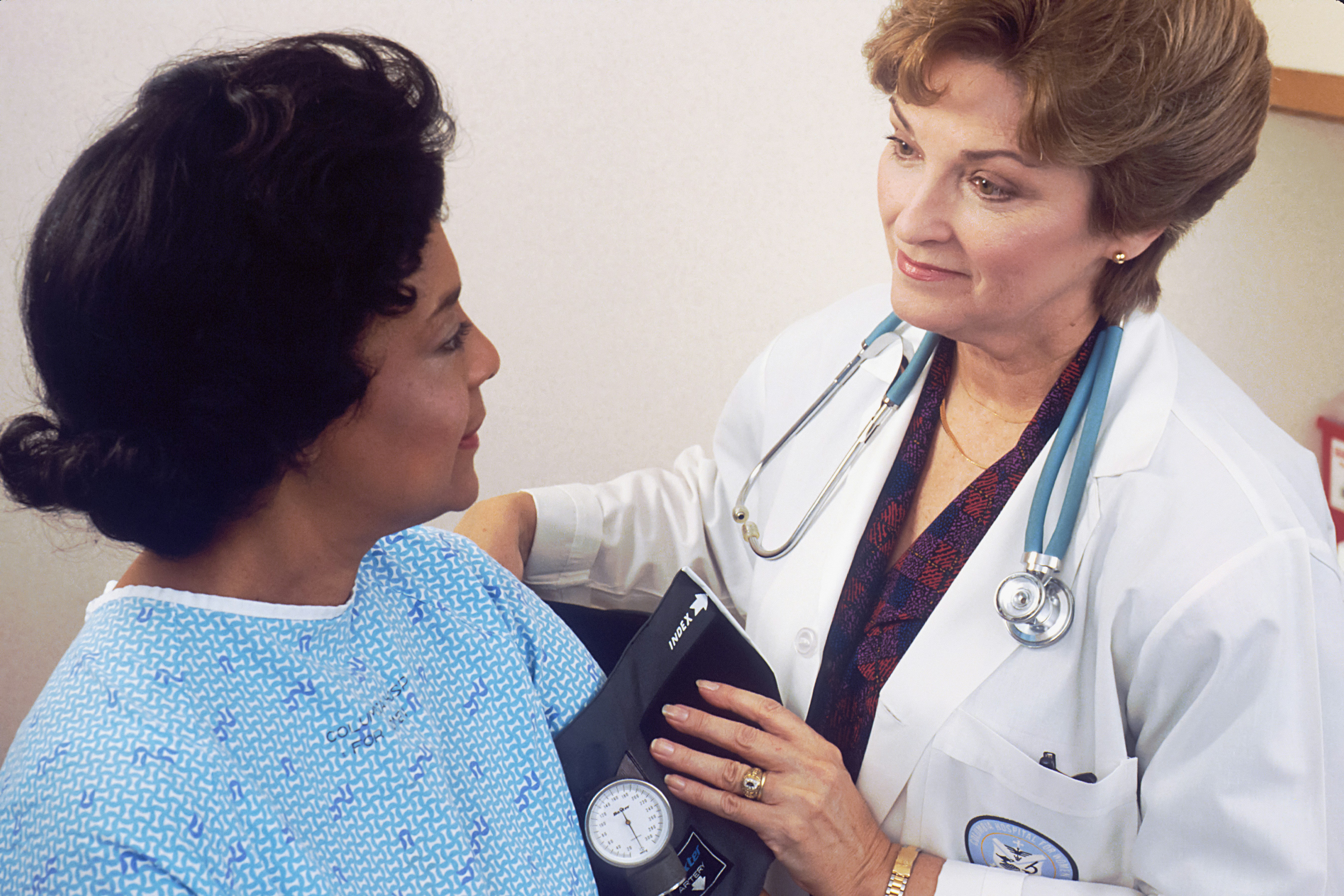
May is Women’s Health Month. It is a good time to remember to stay proactive about things like routine checkups and preventative screenings.
May 10-16 is specifically designated as Women’s Health Week, and part of this year’s focus is on prevention. That’s why Abraham Family and Geriatric Medicine is highlighting the importance of preventive health screening for women throughout the decades of adult life.
Preventative care can help you catch health problems early. That can mean they’re easier to treat, whether you’re talking about long-term bone, breast, or reproductive health. Let’s look at ideal areas to watch depending on your age.
In Your 20s: Build Healthy Foundations
Your 20s are a time of peak health. This is when you want to focus on laying a foundation of healthy habits and self-care rhythms.
This starts with your annual wellness visits. These recurring appointments help you set a baseline for things like blood pressure, weight, and mental health. You can also work to maintain peak heart health and bone mass with things like:
Good calcium uptake
Adequate vitamin D levels
Avoiding things like smoking and too much alcohol
Reproductive health is also important. Pap tests should start at 21 years old (and continue every three years early on). It’s also wise to talk to your primary care physician about things like birth control, STI testing, and similar concerns.
In your 30s: Learn to Juggle Family, Work, and Screenings
As life gets busier, it’s important to consider major health-related milestones and ongoing preventative care concerns. Continue annual wellness visits and maintain Pap tests (every 3-5 years depending on your PCP recommendation).
Reproduction-wise, continue to talk through and plan for pregnancy-related health. If you have kids, talk about postpartum changes, including mood (screening can help for things like postpartum depression) and menstrual changes.
It’s also recommended to ask about screenings like cholesterol, blood sugar, and blood pressure during this period of time, especially if you have a family history of heart disease or diabetes. Occasional screenings for skin cancer are also a good idea.
In your 40s and 50s: Mammograms, Menopause, and Bone Health
Once you hit your 40s, it’s time to broaden your proactive wellness initiatives. Make sure to maintain that baseline of annual wellness and regular screenings you’ve hopefully been maintaining for decades at this point.
In addition, by 40, you want to start thinking about breast health with regular mammogram screenings. As always, talk to your doctor about frequency. In most cases, it should be around every one to two years.
This is also the point where you should consider screenings for things like colorectal cancer. Osteoporosis risk can also start to be a consideration in women over 50. This makes a possible bone density scan a good idea, again, especially if it runs in the family.
Perimenopause symptoms (like hot flashes, irregular periods, sleep changes, and mood shifts) can also become a factor. Make sure to ask your HOD to manage them with your PCP.
In your 60s and beyond: Stay Strong and Independent
Once you pass the 60 mark, things can shift a bit. Some screenings, like HPV and Pap tests, can be reduced or even phased out if you’ve had consistently good results.
At the same time, you want to maintain mammograms at least until around 75 years old. Also, begin to phase in regular reviews for fall risk, vision, and hearing each year.
Keep watching for osteoporosis and bone density. Build safe activity plans that take age into account and help prevent fractures so you can maintain independence and avoid chronic pain wherever possible.
Women’s Wellness at Any Age
Women should work to preserve their health at all ages. Some healthy habits, like exercise, eating a balanced diet, and getting good sleep, continue to be important throughout your life.
It’s also wise to invest in maintaining mental health and managing stress. If you aren’t in a good screening and annual wellness rhythm, take a look at the decade you’re in, and talk to your PCP about steps you can take to start being proactive about your health. It’s worth the upfront work to ensure that you preserve your lifespan and live at as high a quality as possible at every stage of life.
May is Women’s Health Month. It is a good time to remember to stay proactive about things like routine checkups and preventative screenings.
May 10-16 is specifically designated as Women’s Health Week, and part of this year’s focus is on prevention. That’s why Abraham Family and Geriatric Medicine is highlighting the importance of preventive health screening for women throughout the decades of adult life.
Preventative care can help you catch health problems early. That can mean they’re easier to treat, whether you’re talking about long-term bone, breast, or reproductive health. Let’s look at ideal areas to watch depending on your age.
In Your 20s: Build Healthy Foundations
Your 20s are a time of peak health. This is when you want to focus on laying a foundation of healthy habits and self-care rhythms.
This starts with your annual wellness visits. These recurring appointments help you set a baseline for things like blood pressure, weight, and mental health. You can also work to maintain peak heart health and bone mass with things like:
Good calcium uptake
Adequate vitamin D levels
Avoiding things like smoking and too much alcohol
Reproductive health is also important. Pap tests should start at 21 years old (and continue every three years early on). It’s also wise to talk to your primary care physician about things like birth control, STI testing, and similar concerns.
In your 30s: Learn to Juggle Family, Work, and Screenings
As life gets busier, it’s important to consider major health-related milestones and ongoing preventative care concerns. Continue annual wellness visits and maintain Pap tests (every 3-5 years depending on your PCP recommendation).
Reproduction-wise, continue to talk through and plan for pregnancy-related health. If you have kids, talk about postpartum changes, including mood (screening can help for things like postpartum depression) and menstrual changes.
It’s also recommended to ask about screenings like cholesterol, blood sugar, and blood pressure during this period of time, especially if you have a family history of heart disease or diabetes. Occasional screenings for skin cancer are also a good idea.
In your 40s and 50s: Mammograms, Menopause, and Bone Health
Once you hit your 40s, it’s time to broaden your proactive wellness initiatives. Make sure to maintain that baseline of annual wellness and regular screenings you’ve hopefully been maintaining for decades at this point.
In addition, by 40, you want to start thinking about breast health with regular mammogram screenings. As always, talk to your doctor about frequency. In most cases, it should be around every one to two years.
This is also the point where you should consider screenings for things like colorectal cancer. Osteoporosis risk can also start to be a consideration in women over 50. This makes a possible bone density scan a good idea, again, especially if it runs in the family.
Perimenopause symptoms (like hot flashes, irregular periods, sleep changes, and mood shifts) can also become a factor. Make sure to ask your HOD to manage them with your PCP.
In your 60s and beyond: Stay Strong and Independent
Once you pass the 60 mark, things can shift a bit. Some screenings, like HPV and Pap tests, can be reduced or even phased out if you’ve had consistently good results.
At the same time, you want to maintain mammograms at least until around 75 years old. Also, begin to phase in regular reviews for fall risk, vision, and hearing each year.
Keep watching for osteoporosis and bone density. Build safe activity plans that take age into account and help prevent fractures so you can maintain independence and avoid chronic pain wherever possible.
Women’s Wellness at Any Age
Women should work to preserve their health at all ages. Some healthy habits, like exercise, eating a balanced diet, and getting good sleep, continue to be important throughout your life.
It’s also wise to invest in maintaining mental health and managing stress. If you aren’t in a good screening and annual wellness rhythm, take a look at the decade you’re in, and talk to your PCP about steps you can take to start being proactive about your health. It’s worth the upfront work to ensure that you preserve your lifespan and live at as high a quality as possible at every stage of life.
For more information or to schedule an appointment with one of our family medicine healthcare providers, please contact Abraham Family and Geriatric Medicine. Our office is located in Snellville, not far from Grayson, Dacula, and Lilburn.
For more information or to schedule an appointment with one of our family medicine healthcare providers, please contact Abraham Family and Geriatric Medicine. Our office is located in Snellville, not far from Grayson, Dacula, and Lilburn.
For more information or to schedule an appointment with one of our family medicine healthcare providers, please contact Abraham Family and Geriatric Medicine. Our office is located in Snellville, not far from Grayson, Dacula, and Lilburn.
Our News
Our News
Latest News & Articles


Thursday, October 1, 2026
Thursday, October 1, 2026

Tuesday, September 1, 2026
Tuesday, September 1, 2026

Saturday, August 1, 2026
Saturday, August 1, 2026
Thursday, October 1, 2026
Tuesday, September 1, 2026
Thursday, October 1, 2026
Tuesday, September 1, 2026